
The Best GMT800 Upgrades: What’s Worth Doing—and What I’d Skip
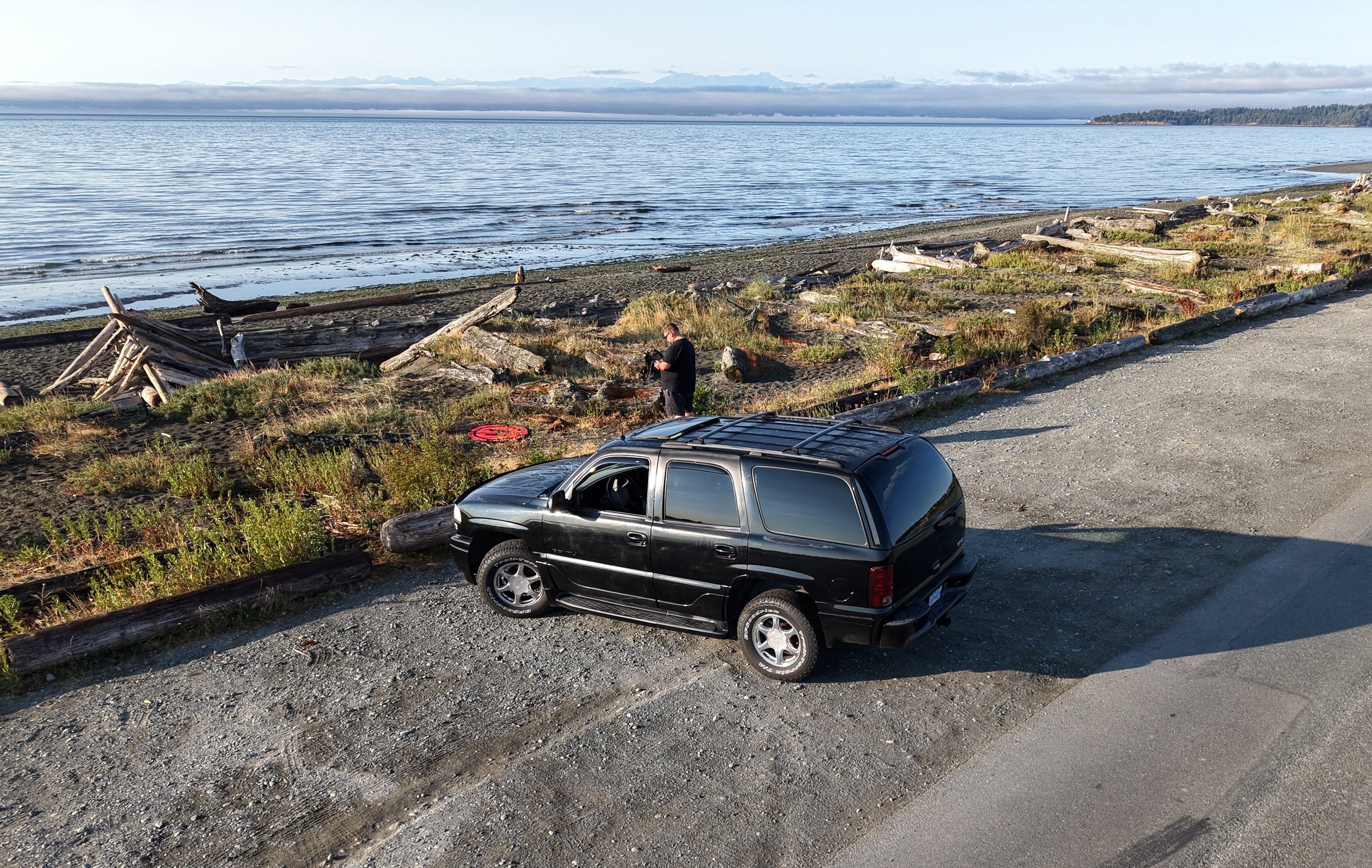
The GMT800 platform has now reached the stage where almost every surviving example has been modified somehow.
Some have tasteful factory-style improvements. Some have been lifted, tuned and turned into genuinely capable trucks. Others have received smoked headlights, enormous tow mirrors and enough poorly installed LED lighting to be visible from space.
That is part of the fun.
The GMT800 platform covers Chevrolet and GMC trucks and SUVs built in several different configurations, including half-tons, HD trucks, two-wheel drive, four-wheel drive, all-wheel drive and Autoride-equipped SUVs. There is no universal shopping cart that fits all of them.
But after more than two decades, a few upgrades consistently make sense—and several popular ones deserve a little more scrutiny.
This isn’t a definitive instruction manual. It’s a look at the upgrades I think genuinely improve an old GM truck or SUV, the ones that depend entirely on how you use it, and the ones I would probably leave on the internet.
First, Fix the Damn Truck
This is the boring answer nobody wants.
Before installing a lift, cold-air intake or touchscreen stereo, make sure the truck underneath it is actually healthy.
A GMT800 with worn ball joints, tired shocks, sloppy steering, questionable brake lines and twenty-three-year-old fluids doesn’t need more horsepower. It needs an intervention.
Replacing worn factory parts isn’t exciting, but bringing the vehicle back to the way it was supposed to drive can feel like the biggest upgrade of all.
That means checking things like:
ball joints, tie rods and idler and pitman arms;
wheel bearings;
shocks and suspension bushings;
brake and fuel lines;
cooling-system condition;
transmission fluid and temperature;
engine and transmission mounts;
differential and transfer-case fluids;
tires that aren’t old enough to have their own driver’s licence.
Our 2003 Yukon Denali has more than 276,000 kilometres on it. At that age, “upgrade” and “deferred maintenance” can become suspiciously difficult to tell apart.
Start with a solid truck. Then make it better.
1. Quality Shocks and Steering Parts
If I had to choose between a cold-air intake and a complete suspension refresh, I’d take the suspension every time.
An intake might add some noise when you put your foot down. Fresh shocks and tight steering improve the truck every second you’re driving it.
Old GMT800s are known for developing a slightly nautical relationship with the road. The steering wheel makes suggestions, the body considers them, and eventually the vehicle changes direction.
Quality replacement shocks, fresh steering components and a proper alignment can remove a shocking amount of that twenty-year-old-truck behaviour.
Bilstein markets its B6 4600 shocks as stock-height replacements, while the B8 5100 line is aimed at trucks with added ride height. That distinction matters. Buying a shock because the internet said it was “better” without matching it to the vehicle’s actual suspension setup is how upgrades become downgrades.
This is also where I’d avoid the cheapest possible front-end kit containing every steering component known to man for $189. A large box of new parts is not automatically better than a smaller box of parts that won’t need replacing again next year.
2. Leveling Kits—Because Apparently Factory Rake Is a Personal Insult
Leveling a GMT800 is one of the most common modifications, and I understand why.
These trucks and SUVs often sit noticeably lower at the front. Raising the nose by an inch or two gives them a tougher stance and can create room for a slightly larger tire.
It can also affect suspension travel, alignment and front-end geometry if you get greedy.
Companies still sell GMT800-specific forged torsion-key kits offering roughly 1.5 to 2 inches of front lift. That doesn’t mean every vehicle should immediately receive the maximum possible crank.
The cheapest version of this modification is essentially winding the front suspension upward until the truck looks level. The more intelligent version considers shock length, available droop, upper-control-arm angles, CV angles on four-wheel-drive and all-wheel-drive models, tire clearance and whether the truck still drives properly afterward.
I like a mild level. I do not like the front end cranked so high that every pothole gets transmitted directly through the seat and into your dental work.
Make it look better. Just don’t make it drive worse.
3. A Proper Suspension Lift—or a Proper Lowering Kit
GMT800 culture goes in both directions.
Some owners build lifted four-wheel-drive trucks on large tires. Others turn regular-cab short-box trucks into low street machines. Both can look fantastic when the entire setup makes sense.
A proper lift is very different from simply installing keys and pretending suspension geometry no longer exists. Once you start chasing serious height and larger tires, you need to think about control arms, steering, shocks, brake hoses, gearing and the extra stress placed on old components.
The same applies to lowering. Randomly removing height is not a suspension design. A good lowering kit should preserve useful travel and keep the truck aligned and controllable.
My preference is mild. A little more stance, a sensible tire and no need for a stepladder to check the oil.
But if you’re building something more extreme, build the entire truck for it. Don’t spend thousands on wheels and tires while asking twenty-year-old factory steering parts to deal with the consequences.
4. Better Brakes
Making a heavy old truck accelerate harder is fun. Making it stop better is generally more useful.
The easiest route is a quality stock-size brake package with good pads, rotors and properly functioning calipers. Companies such as PowerStop sell complete truck-and-tow packages intended for heavier vehicles, towing and larger tires.
Then there are the larger factory-parts conversions.
Owners have adapted later-model GM calipers, brackets and larger rotors to certain GMT800 applications, including newer four-piston setups. Done correctly, an OEM-style big-brake conversion can increase heat capacity and provide a more confident pedal without bolting on an exotic race system.
But this is not one universal bolt-on recipe for every GMT800.
The correct parts depend on the year, hub, drivetrain, wheel size and exact vehicle. Some conversions also create clearance problems with factory 17-inch wheels. Before ordering an internet shopping list, verify the entire combination—not just the calipers somebody found at a wrecking yard.
We’ll eventually give the GMT800 big-brake conversion its own article because it deserves more than three paragraphs and a prayer.
5. Transmission Cooling and Temperature Monitoring
Nobody posts glamour shots of their auxiliary transmission cooler.
That’s unfortunate, because it may be one of the smartest upgrades available for an older automatic truck—especially one used for towing, hauling, mountain driving or larger tires.
Heat is hard on automatic transmissions. An appropriately sized auxiliary cooler can help control it, while a transmission-temperature gauge lets you see what is actually happening instead of relying on positive thoughts.
Some GMT800 instrument clusters included a factory transmission-temperature gauge, and cluster upgrades or rebuilds can add that functionality to certain vehicles. There are aftermarket gauge options as well.
This is the kind of modification I like: not especially exciting, almost invisible and potentially far more valuable than whatever horsepower your chrome intake tube claims to have discovered.
Just remember that cooler installation, line routing and transmission application matter. More equipment is only useful when it is installed correctly.
6. The Factory-Style Electric-Fan Conversion
Earlier GMT800s commonly used an engine-driven mechanical fan. Later versions received factory electric cooling fans, creating a popular OEM-style conversion for earlier trucks and SUVs.
The appeal is understandable.
Electric fans reduce the mechanical drag and noise associated with the clutch fan, provide more controllable cooling and clean up the front of the engine bay. Using later factory-style components also feels more appropriate than zip-tying universal fans to the radiator and hoping for the best.
But the conversion involves more than attaching two fans and finding a convenient wire that becomes hot with the ignition.
Radiator dimensions, fan assemblies, proper relays, wiring and PCM programming all matter. The computer needs to know when and how to command the fans, particularly if you want them working properly with the air conditioning.
It’s a clever upgrade. It just needs to be completed as a system.
7. A Proper Tune
A tune doesn’t have to mean chasing maximum horsepower or turning the truck into an undriveable science project.
On a mostly stock GMT800, tuning can improve throttle response, transmission behaviour and shift scheduling. It can also correct for changes in tire size or gearing and support modifications such as an electric-fan conversion.
That may not sound as impressive as a claimed fifty-horsepower bolt-on, but improving the way an old four-speed automatic behaves can change the entire character of the vehicle.
The key is using someone who actually understands the GM powertrain and your specific combination.
Turning off every protection strategy and making the transmission slam into gear because hard shifts feel “built” is not sophisticated tuning. It’s mechanical abuse with a laptop.
8. Cold-Air Intakes
Cold-air intakes are popular, widely available and extremely good at making you feel like you modified something.
They can improve induction sound. They can clean up the appearance of an engine bay. Well-designed enclosed systems may reduce restriction and deliver measurable gains in certain applications.
They can also cost several hundred dollars and produce a lot more noise than usable performance on an otherwise stock truck.
Manufacturers have published dyno gains for certain GMT800 applications, but those results apply to specific vehicles and test conditions. They should not be interpreted as a promise that every tired 5.3 will suddenly behave like somebody installed another litre of displacement.
My problem isn’t with every aftermarket intake. My problem is with the cheap open filter sitting in a hot engine compartment while its owner explains that it is definitely ingesting “colder” air.
If you want the sound, buy it for the sound. If you want actual performance, start thinking about the entire combination.
9. Exhaust
A GMT800 with a GM V8 should sound like it has a GM V8.
That does not mean it needs to wake the neighbourhood, drone through the cabin or make a five-hour road trip feel like you’ve been trapped inside a bass drum.
A sensible cat-back exhaust or quality muffler can improve the sound without turning the vehicle into a punishment. Exhaust is also one of the few modifications you can enjoy every time you drive—provided you choose something appropriate for how the vehicle is actually used.
If it’s a weekend truck, you might tolerate something louder. If it’s the family SUV carrying your wife and five-year-old, perhaps don’t build the exhaust around what sounds impressive during a twelve-second parking-lot video.
I want to hear the 6.0. I just don’t need it shouting directly into the cabin at 1,800 rpm.
10. Wheels and Tires That Actually Fit the Vehicle
Nothing changes the appearance of a truck faster than wheels and tires.
Nothing can ruin the way it drives quite as efficiently either.
Enormous wheels, extremely heavy tires and aggressive offsets can increase steering effort, worsen braking, add stress to wheel bearings and steering components, create rubbing and make a comfortable old SUV ride like construction equipment.
The stock-size Costco tires on our Yukon may not win an internet build competition, but the truck rides properly, replacement tires are readily available and we didn’t need to redesign the suspension around them.
That doesn’t mean every GMT800 should remain completely stock. A tasteful wheel, slightly more tire and the right stance can make one of these trucks look excellent.
Just remember that the coolest wheel in the advertisement isn’t carrying your family down a wet Vancouver Island highway. You are.
11. CarPlay and a Backup Camera
This might be the single best modernization upgrade for someone who regularly drives a GMT800.
The driving position, visibility and general comfort of these trucks still hold up remarkably well. The factory stereo and lack of a backup camera feel considerably more dated.
A good double-DIN CarPlay or Android Auto receiver adds navigation, music, podcasts and hands-free calling without changing the fundamental character of the vehicle. A backup camera makes a large SUV or pickup easier to live with every day.
Installation becomes more complicated on trucks with Bose audio, steering-wheel controls, OnStar or factory warning chimes. Those vehicles typically require the correct data interface rather than a generic wiring harness and optimism.
Done properly, it makes the truck feel ten years newer.
Done badly, it leaves you with electrical noise, missing warning chimes and a touchscreen that looks like it was won at a carnival.
12. Lighting That Helps You See
Twenty-year-old headlight housings are often cloudy, yellowed or full of bargain-bin aftermarket decisions made by previous owners.
Fresh housings can improve both appearance and usable light output. Good bulbs, properly aimed headlights and clean lenses matter far more than buying the brightest LED product description on Amazon.
LED conversions can work poorly in housings that were never designed around them. A scattered beam pattern may look incredibly bright from behind the steering wheel while blinding everybody coming toward you.
We installed clear housings with C-shaped LED accents on our Yukon because they modernized the front end without completely changing its identity. That is the kind of upgrade I enjoy: noticeable, affordable and still appropriate for the vehicle.
Upgrade the lighting. Don’t start a personal war with every other driver on the road.
13. Interior Restoration
A new seat bottom might improve your enjoyment of the vehicle more than another engine modification.
GMT800 interiors wear in predictable places. Seat foam collapses, leather tears, switches wear out, door handles break, bulbs fail and headliners begin considering retirement.
Repairing those things isn’t as exciting as installing a lift kit, but the interior is where you spend all your time.
Seat foam, replacement covers, heating elements, restored steering-wheel controls, working door lights and fresh floor mats can make an old vehicle feel cared for again.
We’ve already made several inexpensive changes to our Yukon, including LED door lights, new hatch struts, window visors and smooth Escalade-style D-pillar covers. None transformed the vehicle, but together they made it look and function better.
Restoration is still an upgrade—even if it doesn’t come with a dyno chart.
14. Helper Air Springs for Towing and Hauling
For owners carrying heavy loads or towing regularly, rear helper air springs can reduce sag and help keep the vehicle level.
Air Lift, for example, offers coil-spring helper systems for applicable Yukon models with up to 1,000 pounds of load-leveling capacity. That figure does not increase the vehicle’s legal payload or towing rating. It helps manage the load already within the vehicle’s limits.
That distinction matters.
Airbags do not turn a half-ton into a three-quarter-ton. A transmission cooler does not rewrite the manufacturer’s tow rating. Tow mirrors do not mean you should immediately buy the largest trailer visible on Marketplace.
Upgrades can help a vehicle perform its intended job. They do not repeal physics.
15. Running Boards: Remove, Replace or Hide Them
Our Yukon’s factory running boards are useful, especially with a five-year-old climbing in and out.
They also visually drag the body downward and make the truck look lower and heavier than it really is.
Removing them cleans up the side profile immediately. Fixed low-profile steps can offer a compromise, while powered retractable boards provide access when the doors open and disappear when closed.
The powered option is attractive, expensive and mechanically more complicated—which means it fits perfectly into my tradition of considering modifications for six months before doing anything.
This is where usage matters more than appearance. If passengers genuinely need the step, deleting it because the truck looks tougher in photographs may not be much of an upgrade.
What Would I Actually Do to Our Yukon?
If money and time cooperated, my order would probably look like this:
Finish repairing and refreshing worn components.
Improve the shocks and tighten anything contributing to vague steering.
Upgrade the brakes when replacement is due.
Add transmission-temperature monitoring and review the cooling setup.
Install CarPlay and a backup camera.
Consider a very mild level with properly matched shocks.
Decide whether the running boards stay, disappear or become retractable.
Add a restrained exhaust so the 6.0 sounds better without making family trips miserable.
Continue overthinking wheels and tires indefinitely.
Probably leave the cold-air intake on the store shelf.
That wouldn’t create the wildest GMT800 on Instagram.
It would create a tighter, safer, more useful and slightly meaner version of the Yukon we already love—which is what an upgrade is supposed to accomplish.
The Best Modification Is the One That Improves Your Truck
There is no single correct GMT800 build.
A lowered regular-cab street truck, a Duramax tow rig, a lifted Z71 and an all-wheel-drive Yukon Denali have completely different jobs. The modification that makes perfect sense on one could be useless—or actively terrible—on another.
The GMT800’s greatest strength is that it can still be shaped into almost anything.
Just make sure you’re improving the vehicle you actually own, not building the truck an algorithm convinced you to want.
And maybe fix the ball joints first.
Related Reads
The Best GMT800 Upgrades: What’s Worth Doing—and What I’d Skip
From suspension and brakes to cooling, tuning, CarPlay and the popular modifications I’d probably leave on the internet.
Is the GMT800 Still the Smartest Vehicle to Own in 2026?
Why a paid-for old GM truck or SUV can still make more sense than replacing it—fuel bill, repair list and all.
The GMT800 Duramax: Why These Old Diesel Trucks Became Legends
LB7, LLY and LBZ engines, Allison transmissions, rust, Canadian scarcity and why these old diesel trucks earned their reputation.
